
SQL против MySQL – разница между ними
В этом уроке мы обсудим ключевое различие между SQL и MySQL. Прежде чем обсуждать различия между SQL и MYSQL, давайте сначала рассмотрим их по отдельности, что такое SQL и что такое MySQL, чтобы лучше их понять.
Что такое SQL?
SQL — это язык, который используется для управления вашей базой данных. SQL — основной язык, используемый для всех баз данных. В различных базах данных есть незначительные изменения в синтаксисе, но основной синтаксис SQL остается в основном тем же. SQL — это короткая аббревиатура от Язык структурированных запросов. Согласно ANSI (Американскому национальному институту стандартов), SQL является стандартным языком для работы системы управления реляционными базами данных.
SQL используется для доступа, обновления и манипулирования данными в базе данных. Его конструкция позволяет управлять данными в СУБД, например MYSQL. Язык SQL также используется для управления доступом к данным, а также для создания и изменения схем базы данных.
Что такое MYSQL?
MySQL, разработанная в середине 90-х годов, была одной из первых баз данных с открытым исходным кодом, доступных на рынке. Сегодня существует множество альтернативных вариантов MySQL. Однако различия между вариантами несущественны, поскольку они используют один и тот же синтаксис, а базовая функциональность также остается прежней.
MySQL — это СУБД, которая позволяет систематизировать данные, существующие в базе данных. MySQL произносится как «My SQL», но его также называют «My Sequel». Он назван в честь дочери соучредителя Майкла Видениуса. MySQL обеспечивает многопользовательский доступ к базам данных. Эта система РСУБД используется с комбинацией PHP и Веб-сервер Apache, поверх дистрибутива Linux. MySQL использует язык SQL для запроса базы данных.
Разница между SQL и MySQL
Ниже приведены некоторые ключевые различия между SQL и MySQL.
| Параметр | SQL | MYSQL |
|---|---|---|
| Определение | SQL — это язык структурированных запросов. Полезно управлять реляционными базами данных. | MySQL — это СУБД для хранения, извлечения, изменения и администрирования базы данных с использованием SQL. |
| Многогранность | Вам необходимо изучить язык SQL, чтобы эффективно его использовать. | Он легко доступен для скачивания и установки. |
| Тип | SQL — это язык запросов. | MySQL — это программное обеспечение для баз данных. Для запроса базы данных он использовал язык «SQL». |
| Поддержка разъема | SQL не предоставляет соединителей. | MySQL предлагает интегрированный инструмент под названием «Инструментальная среда MySQL» для проектирования и разработки баз данных. |
| Цель | Для запроса и управления системой баз данных. | Позволяет обрабатывать, хранить, изменять и удалять данные в табличном формате. |
| Применение | Код и команды SQL используются в различных СУБД и системы РСУБД, включая MYSQL. | MYSQL используется в качестве базы данных RDBMS. |
| Updates | Язык фиксирован, а команды остаются прежними. | Получайте частые обновления |
- Что такое нормализация в СУБД (SQL)? Пример 1НФ, 2НФ, 3НФ
- Учебное пособие по проектированию базы данных в СУБД: изучение моделирования данных
- Учебное пособие по MySQL Workbench: что такое, как установить и использовать
- Что такое база данных? Определение, значение, типы с примером
- MariaDB против MySQL – разница между ними
Что такое MySQL
MySQL — это система управления базами данных (СУБД), распространяемая как свободное программное обеспечение (пользователи имеют право на неограниченную установку, запуск, свободное использование). В этой статье мы простыми словами объясним, что такое базы данных, зачем нужна MySQL и где ее применяют.
Что такое база данных
База данных (БД) — набор некоторых данных, которые хранятся в упорядоченной форме (это важно). Для наглядности проведем аналогию из жизни. Представьте, что вы собрались на прием к врачу, а ваша медицинская карта находится в поликлинике. Вы приходите в регистратуру и просите ее предоставить. Чтобы врач быстрее это сделал и не перебирал сотни пациентов, все карты хранятся в специальной картотеке, где они упорядочены по участкам, адресам, фамилиям. Похожие картотеки используются в библиотеках: в них хранится информация о книгах и авторах в упорядоченном виде. Все эти картотеки — это примеры баз данных в обычной жизни.
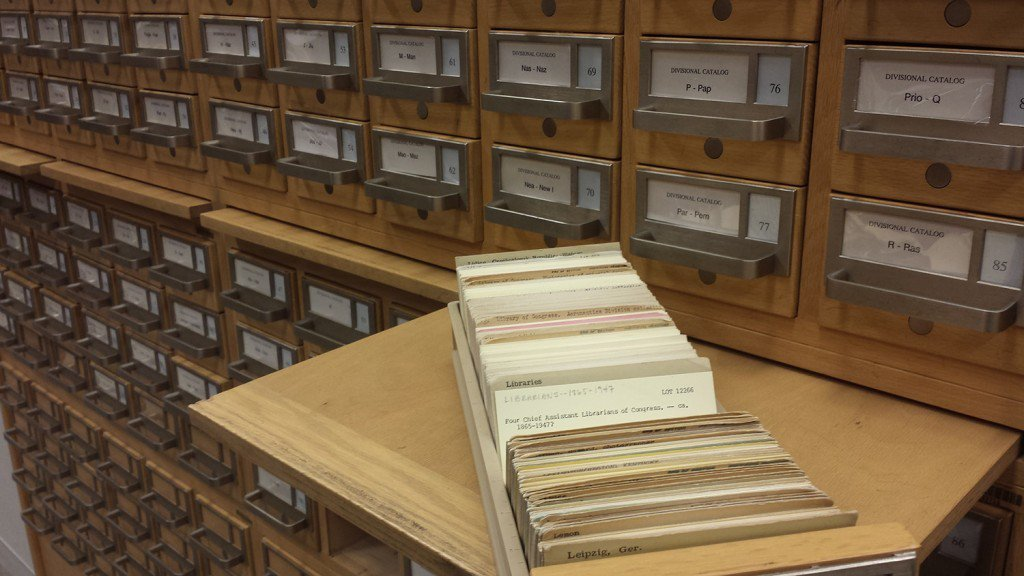
Так выглядит картотека в библиотеке.
В программировании под базой данных подразумевают папку на сервере (компьютере), в которой хранятся таблицы с упорядоченными, структурированными данными.
Из чего состоит база данных
Базы данных состоят из таблиц. Если снова провести аналогию с картотекой, то один ящик в картотеке будет одной таблицей в базе данных. Таблица в рамках сервера — это файл, в котором хранятся данные определенного типа (например, данные о клиентах, продуктах или заказах). Важно понимать, что эти данные не должны перемешиваться и каждые из них должны находиться в отдельной предназначенной для них таблице. Таблиц в рамках одной БД может быть множество.
Таблицы состоят из столбцов и строк. В таблицах каждый конкретный столбец рассчитан для хранения определенной части информации. Например, в таблице о клиентах мы можем хранить в одном столбце имя, в другом фамилию, в третьем электронную почту.
| ID | Name | Surname | |
| 1 | Василий | Иванов | ivanov@gmail.com |
| 2 | Николай | Петров | — |
| 3 | Николай | Петров | — |
Пример таблицы.
По таблице видно, что строки, в отличие от столбцов, хранят всю информацию о конкретной сущности. В нашем примере в строке №1 собрана вся информация о клиенте «Василий Иванов» — его имя, фамилия, электронная почта.
Однако мы видим, что в таблице есть 2 клиента с одинаковым именем и фамилией — Николай Петров. Электронная почта в обоих случаях не указана. Как идентифицировать этих клиентов?
Для этого существует первичный ключ. Первичный ключ — это атрибут или набор атрибутов, который нужен для идентификации каждой записи. В нашем случае это столбец ID. Все значения в этом поле должны быть уникальными.
Чем база данных отличается от СУБД
Часто начинающие вебмастера путают понятия базы данных и СУБД. Если база данных — это набор данных, то СУБД (система управлением базами данных) — это специальное программное обеспечение, разработанное для управления этими базами данных. Существует множество СУБД, например: PostgreSQL, SQLite, Oracle Database и MySQL, о которой мы рассказываем в этой статье.
Чем MySQL отличается от SQL
SQL (Structured Query Language) — язык программирования, созданный для работы с базами данных. MySQL — это СУБД, которая поддерживает SQL. SQL — это универсальный язык, который поддерживают все системы управлением базами данных, поэтому, зная его, вы сможете работать с любыми СУБД.
Для чего нужна MySQL
Представьте, что вы разрабатываете свой собственный сайт. Со временем страниц на нем становится все больше, контент продолжает расти. Чтобы оптимизировать работу с большим объемом информации, используют базы данных. В свою очередь, сами БД тоже постоянно меняются и дополняются новыми данными. Для упрощения процесса администрирования, добавления и редактирования информации, были разработаны специальные системы управления (СУБД). Мы выяснили ранее, что MySQL — это одна из множества СУБД, которую используют для упрощения работы с базами данных. Она включает в себя библиотеку внутреннего сервера, с помощью которой можно использовать MySQL в отдельных программах.
Преимущества MySQL
- Открытый исходный код. Распространяется бесплатно для домашнего применения.
- Простота. MySQL легко устанавливается, имеет понятный интерфейс, а разнообразие плагинов и дополнительных приложений упрощает работу с БД.
- Функционал. Включает в себя практически весь необходимый набор инструментов, который может пригодиться при разработке любого проекта.
- Безопасность. Многие системы безопасности уже встроены и работают по умолчанию.
- Масштабируемость. Может использоваться в работе как с малым, так и с большим объемом данных.
- Скорость. Является одной из самых быстрых среди имеющихся на современном рынке.
Где используют MySQL
По функциональной оснащенности и надежности MySQL давно конкурирует с другими известными продуктами. Чаще всего ее используют при разработке веб-решений, что объясняется тесной интеграцией с популярными языками программирования, высокими показателями скорости и, конечно, ее бесплатностью. В основном MySQL применяют в следующих проектах:
- CMS (Content Management System). Именно в системах управления содержимым сайта MySQL (в связке с PHP/Apache) обгоняет всех своих конкурентов.
- Сайты компаний. Многие сайты используют MySQL для хранения данных и регистрации пользователей.
- Корпоративные системы, ERP/CRM-приложения. У малого и среднего бизнеса обычно нет возможности приобретать такие продукты от ведущих игроков (SAP, Microsoft, Oracle), но подобное ПО бывает необходимым для успешного ведения бизнеса. Часто компании разрабатывают собственные решения с применением MySQL, которая покрывает все потребности разработчиков и пользователей такого рода систем.
- Groupware — системы групповой работы, планировщики и подобные системы. Частично они входят в состав CMS, но в большинстве случаев являются самостоятельными независимыми программами.
- Форумы и чаты. Можно с уверенностью сказать, что практически все форумы работают на MySQL (если они написаны не на ASP). Примеры — phpBB, yaBB, Invision Power Board и другие.
Таким образом, на MySQL обращают внимание как небольшие компании, так и крупные корпорации. Данная СУБД привлекает своей надежностью и свободным распространением. Если дело касается веб-разработки, то MySQL практически всегда будет лучшим вариантом (с учетом потребностей, специфики проекта и экономической целесообразности). Надеемся, теперь вам понятно, что такое MySQL, зачем она нужна и где ее применяют. Спасибо, что дочитали!
Различие SQL и MySQL?
Еще не приступил к изучению серверной части в принципе, но знаю что существует 2 языка, это SQL и MySQL. А в чём различие? И в принципе для чего они?
25th Feb 2018, 6:40 PM
Благо Тёма
8 Answer s
SQL — это язык запросов в системах управления базами данных (СУБД), используется для управления данными. MySQL не язык, а одна из этих СУБД. Кроме неё, существуют и другие, например, Oracle, Microsoft SQL Server. И, как следует из названий, всё это предназначено для создания и использования различных баз данных��
25th Feb 2018, 6:58 PM
NezhnyjVampir
Пожалуйста�� Я редко бываю в ВК, обычно сижу в Дискорде. ��
25th Feb 2018, 7:05 PM
NezhnyjVampir
25th Feb 2018, 7:09 PM
NezhnyjVampir
SQL — язык запросов для управления СУБД. MySQL — это одна из множества других СУБД. СУДБ— это (система управления базами данных). Но SQL является основанием, а от него уже идут другие языки по типу как MySQL, MS SQL, Postgre SQL. Поэтому, я думаю, что лучше начать с SQL. (Это моё мнение, сам я ещё не изучал эти языки, так что выбор за тобой) Как говорилось в одном фильме: «Моё дело— предложить, ваше дело— отказаться» 😉
25th Feb 2018, 7:03 PM
Robert Speedwagon
И для кого я писал.
25th Feb 2018, 7:04 PM
Robert Speedwagon
@NeznyiVampir, еще раз спасибо!) Вот к слову беседа в вк. Решил организовать самолично) Жду заявок https://www.sololearn.com/discuss/1101107/?ref=app
25th Feb 2018, 7:02 PM
Благо Тёма
@Robert Speedwagon, спасибо все равно)))
25th Feb 2018, 7:05 PM
Благо Тёма
@NezhnyjVampir, дискорд?) Надо как нибудь поболтать) Мне на пользу пойдет)) Если конечно тебе тоже интересно) Потом спишемся еще)
25th Feb 2018, 7:06 PM
Благо Тёма
Often have questions like this?
Learn more efficiently, for free:
Differentiating SQL and MySQL: A Comprehensive Guide
With the rise of data usage in the business world, the need for managing databases has also grown significantly. These databases have grown to become an integral part of every business, regardless of the size and structure.
But data is of no use unless analyzed. For this very purpose, companies use an RDBMS (Relational Database Management System). RDBMS helps database administrators and organizations develop relations between distinct sets of data with management tools. In this article, you will look at the two widely popular and efficient management tools and learn the difference between SQL and MySQL. But before delving deep into the difference between SQL and MySQL, it is essential to understand them individually.
What is a Database?
A database is a collection of organized data that is stored electronically in a computer system. It is designed to manage and manipulate large amounts of data in a structured framework. It helps users to easily store, retrieve, and update information. A database typically consists of tables, which contain columns and rows. Each column represents a specific type of data, such as names or numbers, while each row represents a single record or instance of that data.
Basics to Advanced — Learn It All!
Caltech PGP Full Stack Development Explore Program
What are the Different Types of Database?
- Relational databases: Use tables to store data and SQL to manage and manipulate that data.
- NoSQL databases: Use a non-tabular approach to store and manage data and are not limited by fixed schema structures.
- Object-oriented databases: Store data in objects and support object-oriented programming languages.
- Graph databases: Use graph structures to store and manage data, particularly useful for complex relationships.
- In-memory databases: Store data in computer memory rather than on disk, resulting in faster access times.
- Distributed databases: Store data across multiple machines or nodes, improving scalability and reliability.
- Time-series databases: Designed to handle time-stamped data, making them ideal for storing and analyzing data from IoT devices, sensors, and financial transactions.
- Cloud databases: Hosted on cloud platforms, provide scalability, flexibility, and ease of access.
What is a Relational Database?
It is a type of database management system (DBMS) that stores data in tables or relations. Each table represents a specific type of data, and the relationships between tables are defined by the relationships between the data they contain. The data can be queried and manipulated using Structured Query Language (SQL). Relational databases are widely used in business and organizations, as they offer a flexible and scalable way to store and manage large amounts of data, while ensuring data integrity and consistency.
What is SQL?
SQL is short for Structured Query Language. As per the ANSI (American National Standards Institute) guidelines, SQL is the standard language to maintain and manage a database. Thus, besides a few minor syntax changes, most of the databases’ queries for retrieving, adding, or manipulating data are based on the standard SQL syntax.
SQL was first developed at IBM. With SQL, you can easily query a database to add, alter, update, or delete data in a plain English-like language. You can use SQL to manage multiple relational database management systems, such as MySQL, SQL Server, Oracle, and MS Access. By writing codes and queries in SQL, you can create and modify any database along with the creation of schemas.
What is SQL Server?
SQL Server is a powerful relational database management system developed by Microsoft. It provides a platform for storing, managing, and retrieving data for various applications and services. SQL Server supports SQL, a programming language used to communicate with databases. It allows users to create, modify and delete databases, tables, and views, as well as perform various operations such as querying, sorting, filtering, and joining data. SQL Server also provides advanced features such as high availability, security, and scalability, making it a popular choice for businesses of all sizes. It is commonly used in web applications, business intelligence, and data analysis.
What is MySQL?
MySQL is a relational database management system developed and released back in 1995. It was developed and sponsored by MySQL AB, which was then acquired by Sun Microsystems, which you know today as Oracle Corporation. MySQL is a combination of ‘My’ (co-founder’s daughter) and ‘SQL.’
MySQL was one of the earliest open-source RDBMS to be ever developed and launched. Currently, there are many variants of MySQL. However, the basic syntax of all the variations remains the same. Designed and written in C and C++ programming languages, MySQL is compatible with all primary OS (operating systems). It is a core component of a widely popular open-source web application software stack called LAMP, which stands for Linux, Apache, MySQL, PHP/Perl/Python.
How Do You Use SQL with MySQL?
SQL is the standard language used to manage and manipulate data in relational databases. MySQL is a popular open-source relational database management system that supports SQL. To use SQL with MySQL, you need to have the MySQL software installed on your system and a client application that supports SQL.
To interact with MySQL using SQL, you can use the MySQL command-line client or a graphical user interface (GUI) tool like MySQL Workbench. You can use SQL statements like SELECT, INSERT, UPDATE, and DELETE to retrieve, add, modify, and delete data in MySQL databases.
Designing a Social Media App Like Instagram
Free Webinar | Watch the Webcast Explore Now
What is the Difference Between SQL and MySQL?
Now, since you know the basic overview and concept, let’s look at the core differences between SQL and MySQL.
SQL
MySQL
SQL is a query programming language that manages RDBMS.
MySQL is a relational database management system that uses SQL.
SQL is primarily used to query and operate database systems.
MySQL allows you to handle, store, modify and delete data and store data in an organized way.
SQL does not support any connector.
MySQL comes with an in-built tool known as MySQL Workbench that facilitates creating, designing, and building databases.
SQL follows a simple standard format without many or regular updates.
MySQL has numerous variants and gets frequent updates.
SQL supports only a single storage engine.
MySQL offers support for multiple storage engines along with plug-in storage, making it more flexible.
SQL does not allow other processors or even its own binaries to manipulate data during execution.
MySQL is less secure than SQL, as it allows third-party processors to manipulate data files during execution.
Can You Use SQL with Other Databases?
SQL is a standard language used to communicate with relational databases. While it was originally developed for use with the widely popular RDBMS known as MySQL, it is now supported by a vast array of other database management systems as well. Some of them include Oracle, Microsoft SQL Server, PostgreSQL, SQLite, and IBM DB2. Moreover, many NoSQL databases such as Apache Cassandra and MongoDB also provide support for SQL-like query languages. Therefore, it is possible to use SQL with a wide range of databases, both relational and non-relational
Do all Databases Use SQL?
No, not all databases use SQL. While it is a popular and widely used language for managing relational databases, there are other types of databases that use different languages and structures. For example, NoSQL databases like MongoDB and Cassandra use a document-based approach and have their own query languages. Additionally, there are other types of databases like graph databases (e.g. Neo4j) and key-value stores (e.g. Redis) that use their own specialized languages and structures.
Other Database Technologies That Use SQL
Aside from relational databases like MySQL and PostgreSQL, there are other database technologies that use SQL as their query language. One such technology is SQLite, a lightweight database that can be embedded in applications. SQLite is used in a wide range of applications, from mobile apps to web browsers.
Microsoft SQL Server, which is a popular database management system for enterprise applications offers advanced features such as data warehousing, analysis services, and business intelligence.
There is also Oracle Database, another enterprise-level DBMS that supports SQL. It is used in large-scale applications such as banking and finance, government, and healthcare.
There are newer database technologies like Apache Cassandra and MongoDB that support SQL as an optional query language.
Basics to Advanced — Learn It All!
Caltech PGP Full Stack Development Explore Program
What are SQL and MySQL Used For?
SQL is a standard programming language used to manage and manipulate relational databases. SQL is widely used in industries such as finance, healthcare, retail, and more.
MySQL, on the other hand, is a popular open-source relational database management system that uses SQL as its query language. It is widely used in web applications to store, manage, and retrieve data. MySQL is often used in conjunction with PHP and other programming languages to build dynamic websites and web applications.
What Jobs Use SQL and MySQL?
Data analysts, data scientists, and database administrators heavily rely on SQL and MySQL to manage and manipulate large datasets. Business intelligence analysts also use SQL and MySQL to extract insights from databases and create reports.
Developers use these technologies to build web applications that require complex database interactions, such as e-commerce sites, social media platforms, and content management systems.
Many other industries that rely on data, such as finance, healthcare, and marketing, also use SQL and MySQL for data analysis and management.
What are the Similarities Between SQL and MySQL?
SQL and MySQL are two important technologies in the field of data management. While SQL is a language used for managing relational databases, MySQL is a popular open-source relational database management system that uses SQL as its query language. Despite being different in some aspects, there are several similarities between SQL and MySQL.
Firstly, both SQL and MySQL support a similar set of data types such as numeric, string, date/time, and Boolean data types. Secondly, both support basic data manipulation operations like SELECT, INSERT, UPDATE, and DELETE. Finally, they both use similar syntax and share common keywords like SELECT, FROM, WHERE, and ORDER BY, making it easy to switch between the two technologies.
How to Choose What is Best to Use Between SQL and MySQL?
When it comes to choosing between SQL and MySQL, it’s important to understand that MySQL is actually a specific implementation of SQL. SQL is a standardized language used for managing and manipulating data in relational databases. MySQL is a relational database management system that uses SQL as its query language.
Ultimately, the decision comes down to your specific use case and the features and capabilities you need from your database. If you’re working on a web application and need a fast, scalable database, MySQL is a good choice. If you need more advanced features or compatibility with other systems, you may want to consider other SQL-based databases.
Conclusion:
In this article, you went through the key differences between SQL and MySQL. Despite the many differences, there’s no winning of one over the other. Both have their set of advantages and disadvantages. However, you can use them together to get the best of both worlds. The ultimate decision of picking one over the other depends on your specific requirements. Hence, you should not learn the difference between SQL and MySQL with a mindset of selecting one over the other. Instead, you should know the differences to get acquainted with the basic syntax and use of both database management tools. If you are into data management, you can opt for Post Graduate Program in Full Stack Web Development.
Have any questions for us regarding this article? Leave them in the comments section, and our experts will get back to you as soon as possible.
FAQs
1. Is MySQL the same as SQL Server?
No, MySQL is not the same as SQL Server. Although both are relational database management systems, they differ in use cases, pricing, licensing, features, advantages, and more. While MySQL is offered through Oracle, SQL Server is through Microsoft corporation.
2. What Programs use SQL and MySQL?
Several popular web-based applications use MySQL, such as WordPress, Facebook, Youtube, and Joomla. SQL is preferred by common relational database management systems like Oracle, Sybase, Access, Microsoft SQL Server, and Ingres.
3. Is MySQL free to use?
MySQL is free, open-source software for businesses and individuals. It can be used as a standalone product for any purpose, commercial or not, on a web server. The MySQL Community Edition is free, while there are paid versions, too, like the Enterprise Edition, Cluster Carrier Grade Edition, and the MySQL Standard Edition.
4. Which SQL should I learn first?
SQLite is the easiest for beginners to learn. It is a powerful RDBMS with a light and easy design. It is the simplest database, perfect for practicing simple queries and joins.
5. What is the major difference between MySQL and SQL?
SQL is a query programming language for managing RDBMS. In contrast, MySQL is an RDBMS (Relational Database Management System) that employs SQL. So, the major difference between the two is that MySQL is software, but SQL is a database language.
6. Which is better, MySQL or SQL?
Both MySQL and SQL servers can execute high-performance workloads. They include feature-rich client applications and provide a seamless experience. But in terms of security, the SQL server is more secure than the MySQL server.
7. Should I learn SQL or MySQL first?
Since SQL is a data query language, you must master the SQL language first to work on any database management system. Knowledge of SQL is a must for storing, manipulating and retrieving data in any RDBMS. Once you have learnt SQL, you can move on to learning the fundamentals of RDBMS, such as MySQL.
8. Can I use MySQL without SQL?
No, SQL is a must for working on databases. Since SQL is a query language for programming and managing data in a relational database management system like MySQL, you will require SQL to work with a relational database.
Find our Post Graduate Program in Full Stack Web Development Online Bootcamp in top cities:
| Name | Date | Place | |
|---|---|---|---|
| Post Graduate Program in Full Stack Web Development | Cohort starts on 12th Dec 2023, Weekend batch |
Your City | View Details |
About the Author
Ravikiran A S
Ravikiran A S works with Simplilearn as a Research Analyst. He an enthusiastic geek always in the hunt to learn the latest technologies. He is proficient with Java Programming Language, Big Data, and powerful Big Data Frameworks like Apache Hadoop and Apache Spark.
Recommended Programs
Post Graduate Program in Full Stack Web Development
2243 Learners
Lifetime Access*
*Lifetime access to high-quality, self-paced e-learning content.